Best Lawn Fertilizers
The right fertilizer transforms a struggling lawn into a lush, green carpet. We compared 6 fertilizers using manufacturer label data to match options to lawn type and budget.
Video Review
Quick Picks
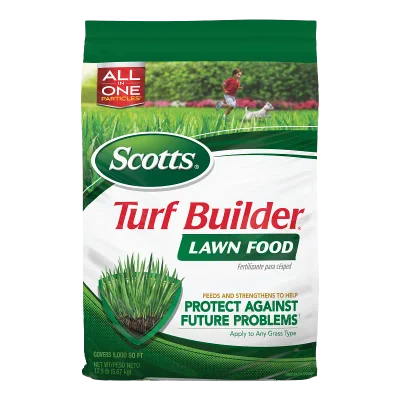
Scotts Turf Builder
High-nitrogen 32-0-4 synthetic. Less product per feeding than a low-analysis organic.
12.5 lb / 5,000 sq ft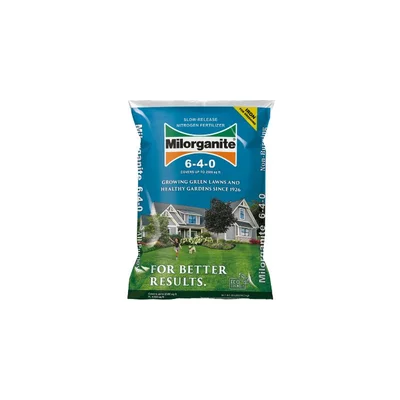
Milorganite
Slow-release organic nitrogen from Milwaukee. Won't burn grass, feeds for 8-10 weeks, and improves soil health. The safest choice for any lawn.
32 lb / 2,500 sq ft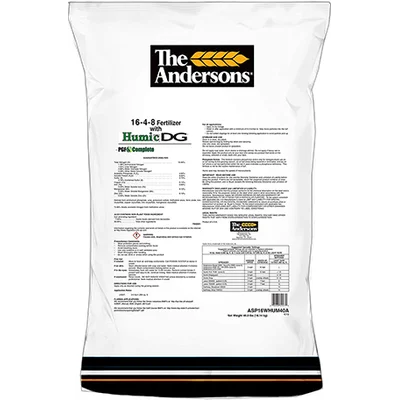
The Andersons PGF Complete
Super-fine particles with iron, micronutrients, and Humic DG.
Covers 5,000 sq ftUnderstanding Lawn Fertilizers
Fertilizer provides the essential nutrients your lawn can't get enough of from soil alone. Nitrogen drives leaf growth and that deep green color everyone wants. Phosphorus builds strong roots. Potassium helps your lawn resist disease, drought, and temperature stress.
The right fertilizer applied at the right time can transform a thin, pale lawn into thick, healthy turf in a single season. The wrong choice - or poor timing - can burn your grass, waste money, or pollute local waterways.
Fertilizer Types Explained
Granular vs Liquid
Granular fertilizers are the most common choice for lawns. They're easy to apply with a broadcast spreader, provide extended feeding, and are less likely to cause application errors. Most homeowners should use granular fertilizers.
Liquid fertilizers are absorbed faster and can be applied with a hose-end sprayer. They're good for quick green-up or foliar feeding but require more frequent application. Best for experienced lawn care enthusiasts or specific nutrient corrections.
Synthetic vs Organic
Synthetic fertilizers provide precise nutrient ratios and fast results. Plants can absorb nutrients immediately. The downside: they don't improve soil health and can burn grass if over-applied.
Organic fertilizers (like Milorganite) release nutrients slowly as soil microbes break them down. They improve soil structure, support beneficial organisms, and won't burn grass. Results take longer but benefits compound over time.
Slow-Release vs Quick-Release
Slow-release (also called controlled-release) fertilizers feed gradually over weeks or months. They're more forgiving of application errors and provide steady nutrition. Most lawn fertilizers today contain at least some slow-release nitrogen.
Quick-release fertilizers provide immediate nutrients. Use them for rapid green-up or correcting deficiencies, but they require more careful application to avoid burning.
Detailed Reviews
1. Milorganite Organic Nitrogen Fertilizer
32 lb / 2,500 sq ft Best OverallPros
- Won't burn grass - ever
- Improves soil health over time
- Contains iron for deep green color
- Safe for pets and kids after watering
- No salt buildup in soil
- Consistent quality since 1926
Cons
- Slower results than synthetic
- Distinct smell for first few days
- Lower nitrogen content requires more product
Our Take
Milorganite is a slow-release organic nitrogen fertilizer, so it feeds gradually rather than producing a fast surge of growth. Organic fertilizers of this type release nutrients as soil microbes break them down.
Expect a smell for a short time after application. The 6-4-0 analysis also means you apply more product per feeding than with a high-nitrogen synthetic. But the safety margin and soil-building benefits make it our top pick for most homeowners.
Best for: Homeowners who want foolproof fertilization with long-term soil health benefits.
Check Price on Amazon2. Scotts Turf Builder Lawn Food
12.5 lb / 5,000 sq ft Best SyntheticPros
- Fast visible results
- Excellent coverage per bag
- Widely available everywhere
- Consistent particle size spreads evenly
- All-in-one feeding solution
Cons
- Can burn grass if over-applied
- Doesn't improve soil biology
- May cause surge growth requiring more mowing
Our Take
Scotts Turf Builder is a high-nitrogen synthetic. The 32% nitrogen content means you apply less product per feeding than with a low-analysis organic like Milorganite.
Be careful with application rates. Overlapping passes or applying before rain can cause fertilizer burn. Calibrate your spreader properly and don't exceed the recommended rate.
Best for: Homeowners who want fast results and value convenience.
Check Price on Amazon3. The Andersons PGF Complete 16-4-8
Covers 5,000 sq ft Best ProfessionalPros
- Professional-grade quality
- Contains humic acid for soil health
- Balanced NPK with micronutrients
- Super-fine particles for even coverage
Cons
- Higher price point
- May be overkill for casual lawn care
- Harder to find locally
Our Take
PGF Complete is a small-particle product marketed to professional turf managers. Smaller particles generally spread more evenly than coarse granules, which reduces striping from uneven application.
The humic acid addition sets this apart from typical synthetic fertilizers, though it is not an organic product.
The balanced 16-4-8 ratio with micronutrients covers all bases. It's a complete feeding solution that addresses common deficiencies without needing separate products.
Best for: Lawn enthusiasts who want professional results and don't mind paying for quality.
Check Price on Amazon4. Jonathan Green Green-Up Lawn Fertilizer
Covers 15,000 sq ftPros
- Contains iron for deep green color
- Long feeding duration
- Good value for coverage area
- 3% iron and 1% sulfur
Cons
- Limited regional availability
- No phosphorus (may need supplement)
Our Take
Jonathan Green is a Northeast-based brand with strong regional distribution. The Green-Up formula includes iron for greening. The 0% phosphorus suits states that restrict phosphorus on established lawns.
Sweep any granules off driveways and sidewalks after application, since iron-containing fertilizers can stain hard surfaces. Check the bag label for the manufacturer's staining guidance.
Best for: Homeowners in phosphorus-restricted areas who want iron for color.
Check Price on Amazon5. Pennington UltraGreen Lawn Fertilizer
14 lb / 5,000 sq ftPros
- Fast-acting plus slow-release nitrogen
- Contains 5% iron
- Feeds up to 3 months (manufacturer claim)
- Widely available
Cons
- Small bag size for large lawns
Our Take
Pennington UltraGreen combines fast-acting and slow-release nitrogen with 5% iron. The linked 14 lb bag covers 5,000 sq ft, so larger lawns need multiple bags per feeding.
Calibrate your spreader to the bag's settings and overlap passes consistently for even distribution.
Best for: Homeowners who want iron for color plus extended feeding.
Check Price on Amazon6. Simple Lawn Solutions Lawn Food
32 oz / 3,200 sq ft Best LiquidPros
- Fast absorption and results
- Easy hose-end application
- No spreader needed
- Good for quick corrections
- Contains seaweed and fish extracts
Cons
- More frequent application needed
- Higher cost per feeding
- Less forgiving of over-application
Our Take
Simple Lawn Solutions fills a niche for homeowners who want liquid feeding. The hose-end sprayer attachment makes application genuinely easy - no spreader calibration, no leftover product in the hopper.
Liquid nitrogen is available to grass faster than slow-release granules, but it also runs out sooner. The formula adds seaweed and fish-based ingredients to the NPK. It costs more per feeding than granular.
We'd recommend this as a supplement to granular fertilizer rather than a primary feeding program. Use it for quick green-up before events or to address stressed areas.
Best for: Homeowners who prefer liquid application or want to supplement granular feeding.
Check Price on AmazonFertilizer Schedule by Grass Type
Cool-Season Grasses
Kentucky Bluegrass, Tall Fescue, Perennial Ryegrass, Fine Fescue
- Early Fall (September): Primary feeding - most important application of the year
- Late Fall (November): Winterizer application for root development
- Late Spring (May): Light feeding as needed
- Avoid: Summer fertilization during heat stress
Warm-Season Grasses
Bermuda, Zoysia, St. Augustine, Centipede, Bahia
- Late Spring (April-May): First feeding after green-up
- Summer (June-August): Regular feeding during active growth
- Early Fall (September): Final feeding before dormancy
- Avoid: Fertilizing dormant or transitioning grass
Research-based review compiled from manufacturer specifications and published independent reviews. We have not tested these products hands-on. Coverage figures match the bag size on each linked listing. Check the current price on the retailer page.

Reviewed by Anton Schwarz
Founder & Lead Turfgrass Specialist at Lawn Care Guides. Certified Turfgrass Professional with 12+ years of lawn care experience.
Frequently Asked Questions
What is the best fertilizer for lawns?
For most lawns, Milorganite is our top overall pick due to its slow-release organic formula that won't burn grass and improves soil health over time. For quick results, Scotts Turf Builder provides fast greening. The best choice depends on your priorities: organic vs synthetic, speed of results, and budget.
When should I fertilize my lawn?
Cool-season grasses (fescue, bluegrass, ryegrass) benefit most from fall fertilization (September-November) with a lighter spring feeding. Warm-season grasses (bermuda, zoysia, St. Augustine) should be fertilized in late spring through summer when actively growing. Avoid fertilizing during dormancy or extreme heat.
What do the NPK numbers on fertilizer mean?
NPK stands for Nitrogen (N), Phosphorus (P), and Potassium (K) - the three primary plant nutrients. Nitrogen promotes leaf growth and green color. Phosphorus supports root development. Potassium improves overall plant health and stress resistance. A fertilizer labeled 24-0-10 contains 24% nitrogen, 0% phosphorus, and 10% potassium.
Is organic or synthetic fertilizer better for lawns?
Both have advantages. Organic fertilizers release slowly, improve soil biology, and won't burn grass. Synthetic fertilizers provide faster results and precise nutrient ratios. Many experts recommend a combination approach: organic for regular feeding and synthetic for targeted corrections or quick results.
How much fertilizer should I apply?
Follow the product label rates exactly. For most lawns, apply about 1 pound of nitrogen per 1,000 square feet per application. This equals roughly 3-4 pounds of a 32-0-4 fertilizer or 16-17 pounds of Milorganite per 1,000 sq ft. Over-fertilizing wastes money, can burn grass, and pollutes waterways.