Key Takeaways
- Not a grass: Nutsedge is a sedge with triangular stems. Standard weed killers don't work. You need sedge-specific herbicides.
- Pull only early: Penn State says small infestations can be hand-pulled soon after emergence, before tubers form. After that, tubers stay behind.
- Best products: Sulfentrazone (Dismiss) or halosulfuron (Sedgehammer) applied during active summer growth.
- Spray before tubers form: tubers begin forming in late June or early July in Pennsylvania. A first spray by late May lets the label's 6-10 week follow-up land before tubers mature.
- Fix the drainage: Persistent nutsedge signals wet soil. Address the underlying moisture problem.
Nutsedge Control Guide
Cyperus spp. (Yellow Nutsedge, Purple Nutsedge)
Nutsedge is a sedge, not a grass, and it spreads through underground tubers. In a Minnesota study summarized by SARE, one yellow nutsedge tuber grown without competition produced 6,900 tubers by fall and 1,900 plants the next spring. Broadleaf herbicides do not control it. The fix is a sedge herbicide labeled for your grass, sprayed before the new tubers form.

At a Glance
Top Products for Nutsedge Control
Sedgehammer+ (Halosulfuron)
5% halosulfuron. The label says the nonionic surfactant is already included. One 13.5 g pouch in 1 gallon treats 1,000 sq ft. Labeled on cool and warm-season lawns, including St. Augustine and centipede.
$18.90* per pouch (DoMyOwn)
Ortho Nutsedge Killer Ready-to-Spray
1.40% sulfentrazone in a hose-end ready-to-spray bottle. No mixing. Labeled for home lawns on cool-season grasses and on bermuda, zoysia, St. Augustine and centipede.
Price not verified; DoMyOwn listed it out of stock
Tenacity (Mesotrione)
Mesotrione. Syngenta lists more than 46 broadleaf weed and grass species, including yellow nutsedge. Safe at seeding on Kentucky bluegrass, tall fescue, perennial ryegrass and centipede. Not for bermuda or zoysia.
$59.98* for 8 oz (DoMyOwn)
What Is Nutsedge and Why Is It So Hard to Kill?
Nutsedge is a perennial sedge that spreads via underground tubers called nutlets. These tubers survive herbicides and drought, regrowing even after the visible plant dies.
Most homeowners call it "nutgrass," but that name is misleading. Nutsedge isn't a grass at all. It belongs to the sedge family (Cyperaceae), which means the herbicides that kill grassy weeds like crabgrass or broadleaf weeds like dandelions have zero effect on it.
The real problem lies underground. Nutsedge produces tubers (small, nut-like structures) on rhizomes. Rutgers NJAES says yellow nutsedge forms its tubers at the ends of rhizomes as day length shortens, and those nutlets can survive dormant in soil for several years. Killing the visible plant does not kill tubers that have already formed.
The scale comes from a Minnesota study, not Florida. SARE's yellow nutsedge profile reports that a single tuber planted in Minnesota, grown without competition or management, produced 6,900 tubers by fall and 1,900 daughter plants the following spring in a 34-square-foot patch. That is why a patch ignored in spring is a much bigger patch the next year.
Why Standard Herbicides Fail
- 2,4-D (broadleaf killer): Only targets dicots (broadleaf plants). Nutsedge is a monocot. No effect.
- Quinclorac (crabgrass killer): Targets specific grass pathways. Nutsedge isn't a grass. No effect.
- Glyphosate (Roundup): Non-selective. It kills the surrounding lawn too.
- Late pulling: Once tubers form, pulling leaves them behind to sprout.
How Do You Identify Nutsedge vs. Grass?
Nutsedge has triangular stems ("sedges have edges"), grows faster than surrounding grass, and appears light yellow-green. Grass stems are round or flat.
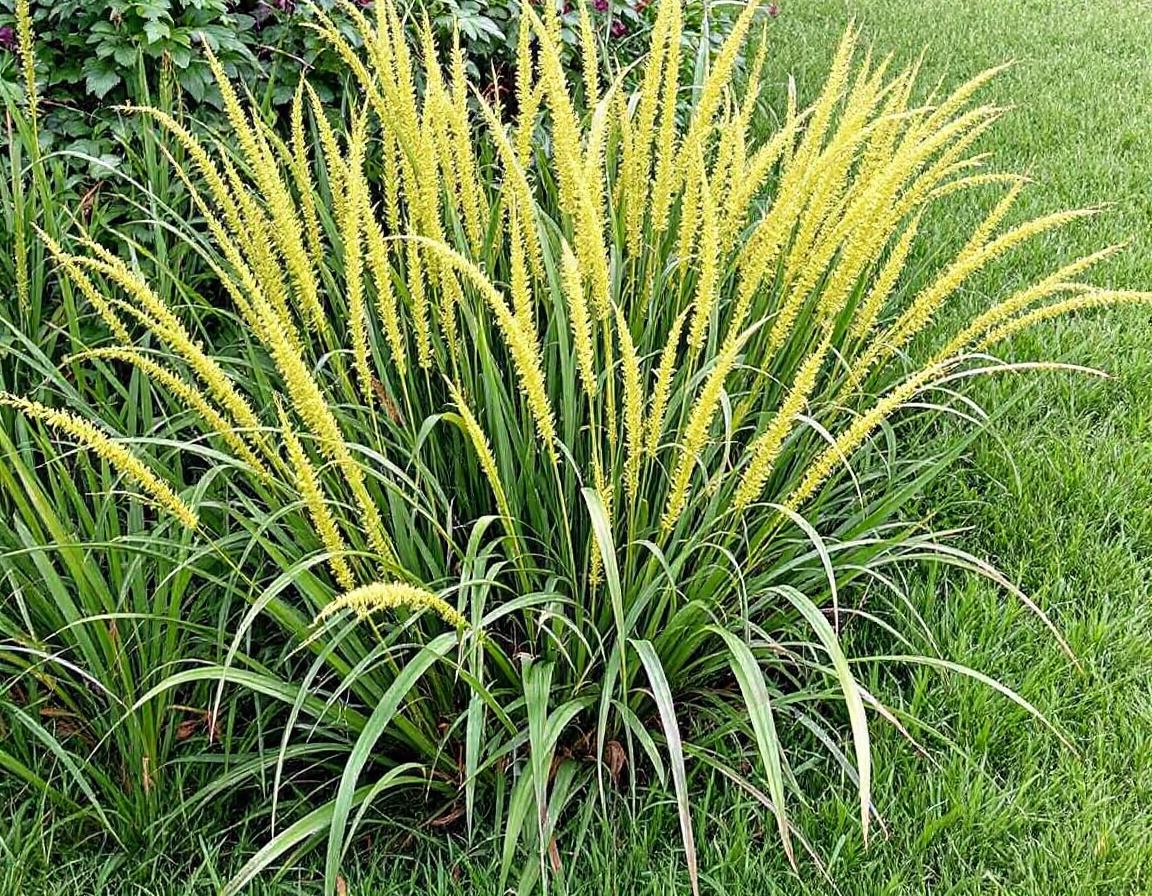
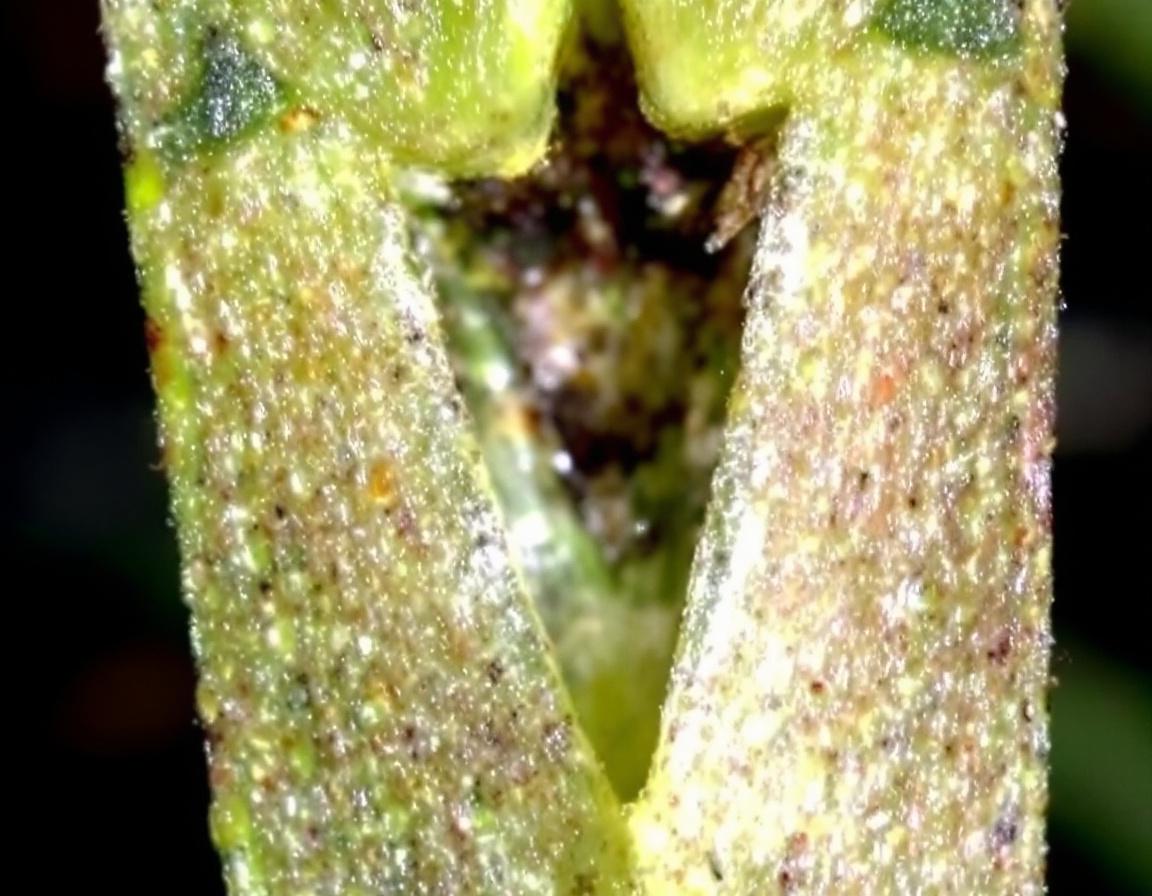
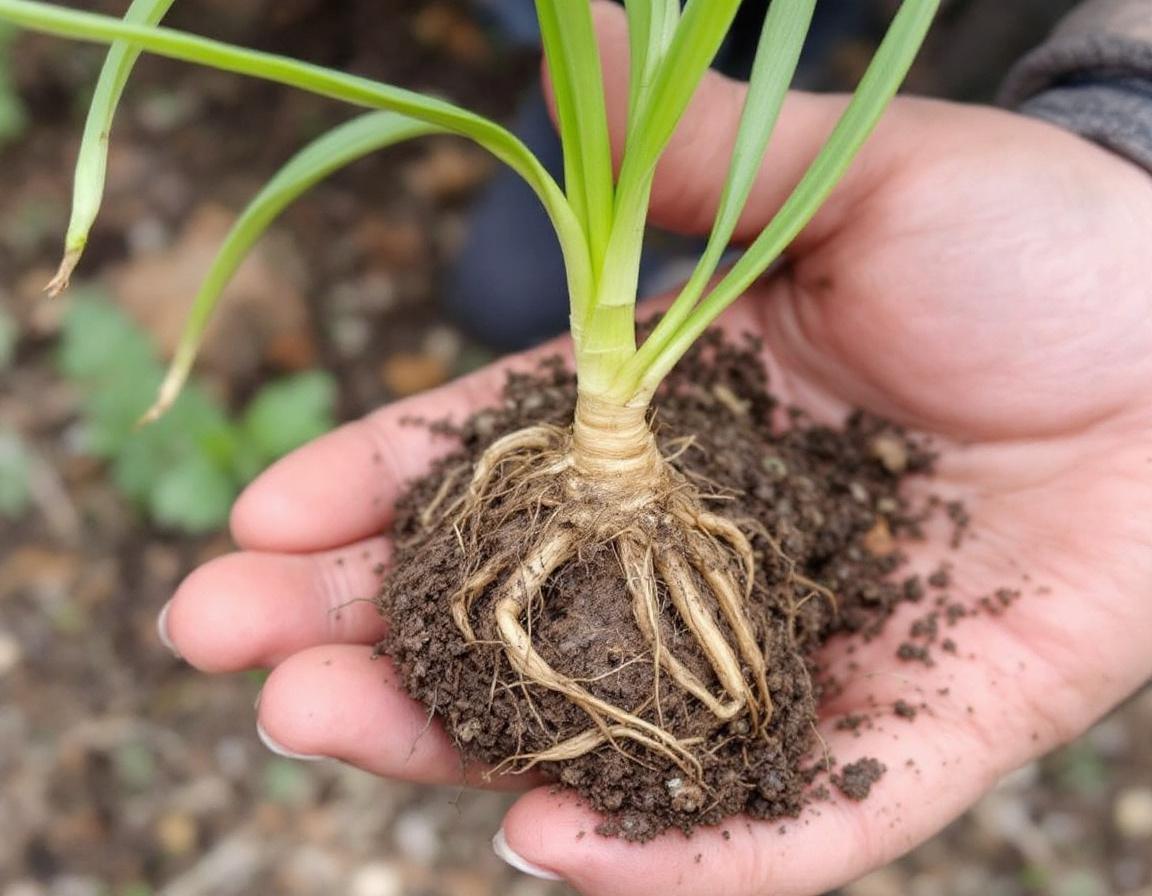
Images: Wikimedia Commons (CC BY-SA)
The easiest test takes two seconds: Roll the stem between your thumb and finger. If you feel three distinct edges, it's a sedge. Grass stems are round or flat, never triangular.
Identification Features
Triangular Stems
The defining characteristic. Cross-section shows three clear edges. "Sedges have edges" is the old turf manager's saying, and it's never wrong.
Growth Rate
Grows faster than lawn grass. A few days after mowing, nutsedge stands noticeably taller than the turf around it.
Color
Yellow-green (yellow nutsedge) or dark green (purple nutsedge), usually distinct from your lawn's color. The glossy sheen on leaves also differs from grass.
Leaf Arrangement
Leaves emerge in groups of three from the base, arranged in ranks. Grass typically produces leaves alternately. The V-shaped leaf base is distinctive.
Root System
Pull one up (carefully, wearing gloves) and you'll see small brown tubers on the roots. These "nuts" give nutsedge its name and are the key to its survival.
Seed Heads
Yellow nutsedge produces yellow-brown spiky seed heads; purple nutsedge produces reddish-purple ones. These appear in mid-to-late summer if plants aren't controlled.
Nutsedge vs. Common Look-Alikes
| Feature | Nutsedge | Grass | Wild Onion/Garlic |
|---|---|---|---|
| Stem Shape | Triangular | Round/Flat | Round, hollow |
| Growth Rate | Very fast | Normal | Fast |
| Underground | Tubers (nutlets) | Fibrous roots | Bulbs |
| Smell | None | None | Onion/garlic |
| Herbicide Needed | Sedge-specific | N/A | Broadleaf + patience |
What's the Difference Between Yellow and Purple Nutsedge?
Yellow nutsedge tolerates cooler climates and wet soil. Purple nutsedge is more heat-tolerant and aggressive. Both respond to the same herbicides.
In northern lawns you are most likely dealing with yellow nutsedge (Cyperus esculentus), which handles cooler temperatures. Purple nutsedge (Cyperus rotundus) is a southern problem. Confirm with the leaf tip and tuber traits in the table below.
| Characteristic | Yellow Nutsedge | Purple Nutsedge |
|---|---|---|
| Range | Most of the US | Mainly the South |
| Leaf Color | Light yellow-green | Dark green |
| Leaf Tip | Gradually tapered | Abruptly pointed |
| Seed Head Color | Yellow to golden-brown | Reddish-purple to brown |
| Tuber Chains | Tubers at end of rhizomes (single) | Tubers in chains along rhizomes |
| Tuber Production | Fewer, larger tubers | Many smaller tubers |
| Cold Tolerance | Survives northern winters | Killed by hard freezes |
| Aggressiveness | Very aggressive | Extremely aggressive |
| Herbicide Response | Good with proper timing | Slightly more resistant |
Both species are listed on the sulfentrazone and halosulfuron labels we checked. The Dismiss Turf label calls for split applications for optimum purple nutsedge control, so plan on a second application for purple.
Does Pulling Nutsedge Make It Worse?
It depends on timing. Penn State says small infestations can be hand-pulled soon after emergence in spring, before tubers form. Pulling after tubers form leaves them in the soil to sprout.
This is the mistake I see constantly: a homeowner pulls nutsedge in August, feels good about the empty spot, and watches it come back. By August the tubers are already in the ground. Pulling the top does nothing to them.
What the extension sources actually say
Penn State Extension: small infestations "can be removed by hand pulling soon after leaf emergence in spring and before tubers form later in the growing season." Remove as much of the underground portion as possible, because broken bits of rhizome can give rise to new plants. In Pennsylvania, tubers begin forming in late June or early July.
SARE: newly formed tubers go dormant and usually do not sprout until the next spring. Dormancy is broken by cold or by water moving through the soil. We could not find a published study that measures how many tubers sprout per pulled plant, so we do not give a number.
Mowing does not disturb the tubers. Regular mowing at the proper height keeps the turf competitive, but it will not eliminate an infestation.
Which Herbicides Actually Kill Nutsedge?
Sulfentrazone (Dismiss, Ortho Nutsedge Killer) and halosulfuron (SedgeHammer) are the two sedge-selective actives Penn State lists first. Both labels list yellow and purple nutsedge on cool and warm-season turf.
The products that kill crabgrass and dandelions won't touch nutsedge. You need herbicides whose labels list sedges. Here is what the labels and Penn State Extension say:
| Active Ingredient | Product Names | Surfactant | Notes from the label or extension source |
|---|---|---|---|
| Sulfentrazone | Dismiss Turf, Ortho Nutsedge Killer for Lawns | Not required on the Ortho ready-to-spray | Dismiss Turf label calls for split applications for optimum purple nutsedge control. My go-to for yellow nutsedge. |
| Halosulfuron | SedgeHammer, SedgeHammer+ | SedgeHammer (75%): add 1/3 fl oz nonionic surfactant per gallon. SedgeHammer+ (5%): already included. | SedgeHammer+ label: symptoms within 2 weeks as a necrotic ring at the plant base while leaves stay green. Second treatment 6-10 weeks later if needed. |
| Imazaquin | IMAGE Nutsedge Killer for Southern Lawns | Check label | 3.3% imazaquin (manufacturer SDS). Sold for St. Augustine, bermuda, centipede and zoysia lawns. |
| Imazosulfuron | Celero | Check label | Listed by Penn State Extension for yellow nutsedge. |
| Mesotrione | Tenacity | Nonionic surfactant for post-emergent use | Listed by Penn State and Syngenta for yellow nutsedge. Not for bermuda or zoysia. |
Product Recommendations
Best Overall
SedgeHammer+ (Halosulfuron)
Labeled on every common cool and warm-season lawn grass we checked, with the surfactant built in. One pouch treats 1,000 sq ft. Check price on Amazon →
Professional Sulfentrazone
Dismiss Turf (Sulfentrazone)
A professional concentrate at 4 to 12 fl oz per acre. Labeled on cool and warm-season turf, including centipede. It may temporarily discolor St. Augustine.
Best Retail Option
Ortho Nutsedge Killer
1.40% sulfentrazone in a hose-end ready-to-spray bottle for home lawns. Check price on Amazon →
Southern Lawns Only
IMAGE Nutsedge Killer for Southern Lawns
Imazaquin, sold for St. Augustine, bermuda, centipede and zoysia. Not a pick for fescue or bluegrass lawns.
How Do You Apply Nutsedge Killer Correctly?
Spray at the 3 to 8 leaf stage, before tubers mature. Don't mow for 2 days before or after, keep rain off for 4 hours, and plan a follow-up 6-10 weeks later.
Timing decides whether you kill this year's tubers or just the tops. The SedgeHammer+ label and Penn State Extension set the numbers below.
Count back from tuber formation
Penn State says tubers begin forming at rhizome tips in late June or early July in most of Pennsylvania, and treatment works best at the 3 to 8 leaf stage before tubers mature. The SedgeHammer+ label allows a second treatment 6-10 weeks after the first.
Add those together. A first spray on May 25 puts the follow-up between July 6 and August 3. A first spray on June 25 pushes it to August 6 through September 3, after tubers have already started forming. Spray in late May, not late June. The cost of waiting is the tubers: in the Minnesota study SARE summarizes, one tuber became 6,900 in a season.
Budget: two SedgeHammer+ pouches at $18.90* each is $37.80* per 1,000 sq ft for the season. DoMyOwn listed a $16.96* price each on two or more.
Time It Right
Apply when nutsedge foliage is visible in the canopy, at the 3 to 8 leaf stage (Penn State). The SedgeHammer+ label warns that turf or nutsedge under stress may mean poor control and turf injury.
Target: 3 to 8 leaf stage, before tubers form
Don't Mow Before or After
The SedgeHammer+ label says do not mow for 2 days before or 2 days after application.
Total mow-free window: 4 days
Mix Correctly (For Concentrates)
SedgeHammer+ (5%): one 13.5 g pouch in 1 gallon of water per 1,000 sq ft, with no added surfactant. SedgeHammer (75%): 0.9 g in 1 or 2 gallons per 1,000 sq ft plus 2 teaspoons (1/3 fl oz) of nonionic surfactant per gallon. Do not exceed the surfactant amount; the label warns of turf injury.
Read which SedgeHammer you bought: the surfactant step differs
Apply to Dry Foliage
Spray after dew dries. The SedgeHammer+ label says to avoid applications when rain is forecast within 4 hours.
Rain-free window: 4 hours (SedgeHammer+)
Spray Until Wet, Not Dripping
Cover all leaf surfaces until uniformly wet. Over-application wastes product and can stress surrounding grass. The goal is coating, not drenching.
Plan the Follow-Up
The SedgeHammer+ label says one application often works, but a second may be required 6-10 weeks later depending on the size and age of the nutsedge. Put the date on your calendar when you spray.
Label follow-up: 6-10 weeks
Is Nutsedge Herbicide Safe for My Grass Type?
The Dismiss Turf, Ortho Nutsedge Killer and SedgeHammer+ labels all list centipede and St. Augustine along with the common cool-season grasses. Imazaquin (IMAGE) is sold for southern lawns only.
We built this table from the tolerant-species lists on each label, not from general impressions. "Labeled" means the grass appears on the label. A note means the label adds a caution.
| Grass Type | Sulfentrazone (Dismiss Turf, Ortho) | Halosulfuron (SedgeHammer+) | Imazaquin (IMAGE Southern Lawns) | Label notes |
|---|---|---|---|---|
| Bermuda | Labeled | Labeled | Listed | None. |
| Zoysia | Labeled, note | Labeled | Listed | Dismiss may temporarily discolor certain zoysia cultivars. |
| St. Augustine | Labeled, note | Labeled | Listed | Dismiss may temporarily discolor exposed leaves; turf recovers with new growth. |
| Centipede | Labeled | Labeled | Listed | Listed on all three. |
| Kentucky Bluegrass | Labeled | Labeled | Not listed | IMAGE is sold for southern lawns. |
| Tall Fescue | Labeled, note | Labeled | Not listed | Dismiss: certain tall fescue cultivars may be injured. |
| Fine Fescue | Labeled, note | Labeled | Not listed | Dismiss: certain chewings and fine fescue cultivars may be injured. |
| Perennial Ryegrass | Labeled | Labeled | Not listed | None. |
Sources: Dismiss Turf, Ortho Nutsedge Killer for Lawns Ready-To-Spray and SedgeHammer+ labels; IMAGE product page. Links under Sources below.
Does Fixing Drainage Help Control Nutsedge?
Yes. Nutsedge thrives in wet, poorly drained soil. Improving drainage makes conditions less favorable and helps your lawn grass outcompete nutsedge naturally.
Nutsedge is an indicator plant. Where you see it, you have excess moisture. That low spot that stays soggy after rain, the area near downspouts, the compacted section by the driveway, those are nutsedge territory.
One lawn I worked on in North Carolina had a 10x15 foot nutsedge patch that came back every year despite multiple herbicide applications. The homeowner was frustrated and ready to dig it all up. I noticed the area was 2 inches lower than surrounding lawn and held water after every rain. We regraded the area, added 2 inches of topsoil, and improved the slope toward the street. The following year? Three nutsedge plants total, easily spot-treated.
Drainage Improvements That Reduce Nutsedge
Core Aeration
Reduces soil compaction, allowing water to drain rather than pool. Aerate in fall for cool-season grasses, late spring for warm-season. Makes herbicides more effective too.
Regrade Low Spots
Add topsoil to fill depressions where water collects. Aim for gentle slopes (1-2%) away from structures. This eliminates the wet conditions nutsedge loves.
Extend Downspouts
Roof runoff creates saturated soil. Extend downspouts at least 6 feet from the foundation, or use underground drain lines to move water away from the lawn.
French Drains
For persistently wet areas, a French drain (gravel-filled trench with perforated pipe) intercepts and redirects groundwater. More work, but permanent solution.
Adjust Irrigation
Overwatering creates nutsedge habitat. Most lawns need 1-1.5 inches per week total, including rain. Water deeply but infrequently to favor grass roots over nutsedge.
Improve Soil Structure
Clay soil holds water. Topdressing with compost over several years improves drainage and soil biology. Sand topdressing helps on sports turf but isn't recommended for home lawns.
How Long Until Nutsedge Is Gone for Good?
Plan on more than one season. SARE reports tubers can persist three years, though few survive more than two winters. Tubers formed before your first spray keep sprouting.
I have to be honest here: nutsedge isn't a one-and-done problem. If someone promises to eliminate your nutsedge in a single application, they're either uninformed or selling something. We have not found a published reduction rate per year for home lawns, so the milestones below are goals, not percentages.
Realistic Treatment Timeline
Goal: Kill emerged plants before new tubers form
First spray at the 3 to 8 leaf stage, follow-up 6-10 weeks later if needed. Sprouts from older tubers will still appear.
Goal: Catch sprouts from surviving tubers
Fewer tubers should be left, because few survive more than two winters (SARE). Repeat the early spray. Fix the drainage issues you found in Year 1.
Goal: Maintenance mode, spot treatment only
Spot treat scattered plants as they appear.
The timeline shortens if you simultaneously improve drainage and thicken your lawn. Healthy, dense turf shades the soil and competes for resources, making it harder for nutsedge seedlings and tuber sprouts to establish.
What Mistakes Make Nutsedge Problems Worse?
Pulling plants, using wrong herbicides, skipping repeat applications, and ignoring drainage issues are the most common mistakes. Each makes eradication harder.
Pulling After Tubers Form
Penn State says hand-pulling works on small infestations soon after emergence, before tubers form. Pulling in mid to late summer leaves the tubers behind.
Using Broadleaf Herbicides
2,4-D, dicamba, and similar products kill dandelions but have zero effect on nutsedge. You'll waste money and time while the nutsedge thrives. Need sedge-specific products.
One-and-Done Treatment
The SedgeHammer+ label says a second treatment may be required 6-10 weeks after the first, depending on the size and age of the nutsedge. Check the patch at 6 weeks.
Spraying Stressed Plants
Nutsedge that's drought-stressed, freshly mowed, or growing during temperature extremes absorbs herbicide poorly. Wait for active, healthy growth for best results.
Ignoring Drainage
You can spray forever, but if the area stays wet, nutsedge keeps returning. Identify why that spot is wet and fix it. Otherwise you're treating symptoms, not the cause.
Mowing Too Soon After Application
The SedgeHammer+ label says do not mow for 2 days before or 2 days after application. Mowing too soon removes treated leaf surface.
Getting the Surfactant Wrong
SedgeHammer (75%) needs 1/3 fl oz of nonionic surfactant per gallon added. SedgeHammer+ already contains it. The label warns that too much surfactant can injure turf.
Expecting Overnight Results
The SedgeHammer+ label says symptoms show within 2 weeks as a necrotic ring at the base, while leaves can stay green. Don't re-spray after a week thinking it failed.
Frequently Asked Questions About Nutsedge
Why does nutsedge keep coming back after I pull it?
Timing. Penn State Extension says small infestations can be hand-pulled soon after leaf emergence in spring, before tubers form, as long as you remove as much of the underground portion as possible. Broken bits of rhizome can give rise to new plants. Once tubers have formed, pulling the top leaves them in the soil to sprout later. In Pennsylvania, tubers begin forming in late June or early July.
What kills nutsedge but not grass?
Sulfentrazone (Dismiss) and halosulfuron (Sedgehammer, SedgeEnder) selectively kill nutsedge without harming most lawn grasses. These products target sedges specifically. Standard broadleaf herbicides like 2,4-D have zero effect on nutsedge.
How long does it take to get rid of nutsedge completely?
Plan on more than one season. SARE's Manage Weeds on Your Farm says yellow nutsedge tubers can persist in soil for three years, though few survive more than two winters in most field situations, with a half-life of 4.4 to 5.8 months. Tubers that formed before you started treating will keep sprouting for the next season or two.
Is nutsedge the same as nutgrass?
Nutgrass is just a common nickname for nutsedge. Technically it's incorrect because nutsedge isn't a grass at all. It's a sedge with triangular stems (grasses have round stems). The name comes from the underground tubers that look like small nuts.
Does nutsedge mean I have drainage problems?
Often, yes. Nutsedge thrives in wet, poorly drained soil. Persistent nutsedge patches frequently indicate compaction, low spots that hold water, or irrigation issues. Fixing drainage reduces nutsedge pressure and helps your lawn grass compete.
Can I use pre-emergent to prevent nutsedge?
Not with standard crabgrass pre-emergents. Nutsedge comes back mainly from tubers, and the Specticle FLO label, for example, says it does not control plants emerging from tubers. Prevention focuses on killing plants before new tubers form, improving drainage, and keeping turf dense. Penn State notes yellow nutsedge thrives in moist, poorly drained soils.
Sources
- Penn State Extension: Yellow Nutsedge (tuber formation timing, hand-pulling, 3 to 8 leaf stage, herbicide list, wet soils)
- SARE, Manage Weeds on Your Farm: Yellow Nutsedge (Minnesota single-tuber study, tuber persistence and half-life, dormancy)
- Rutgers NJAES FS1341: Nutsedge Life Cycle Disruptions (tuber formation, dormancy)
- SedgeHammer+ label (built-in surfactant, rate, 6-10 week follow-up, mowing and rain intervals, tolerant grasses)
- SedgeHammer (75%) label (added nonionic surfactant)
- Dismiss Turf Herbicide label (tolerant grasses, discoloration and cultivar cautions, purple nutsedge split applications)
- Ortho Nutsedge Killer for Lawns Ready-To-Spray label (1.40% sulfentrazone, listed grasses)
- IMAGE Nutsedge Killer for Southern Lawns (listed grasses; imazaquin 3.3% per the product SDS)
- Syngenta: Tenacity Herbicide (weed count, grasses safe at seeding, grasses not recommended)
*Prices marked with an asterisk reflect the listed price at the time of review and may differ on the vendor's site.